Combat & Magic Guide
Master Fatekeeper's reactive melee combat and precision spellcasting systems. Learn enemy patterns and tactical strategies.
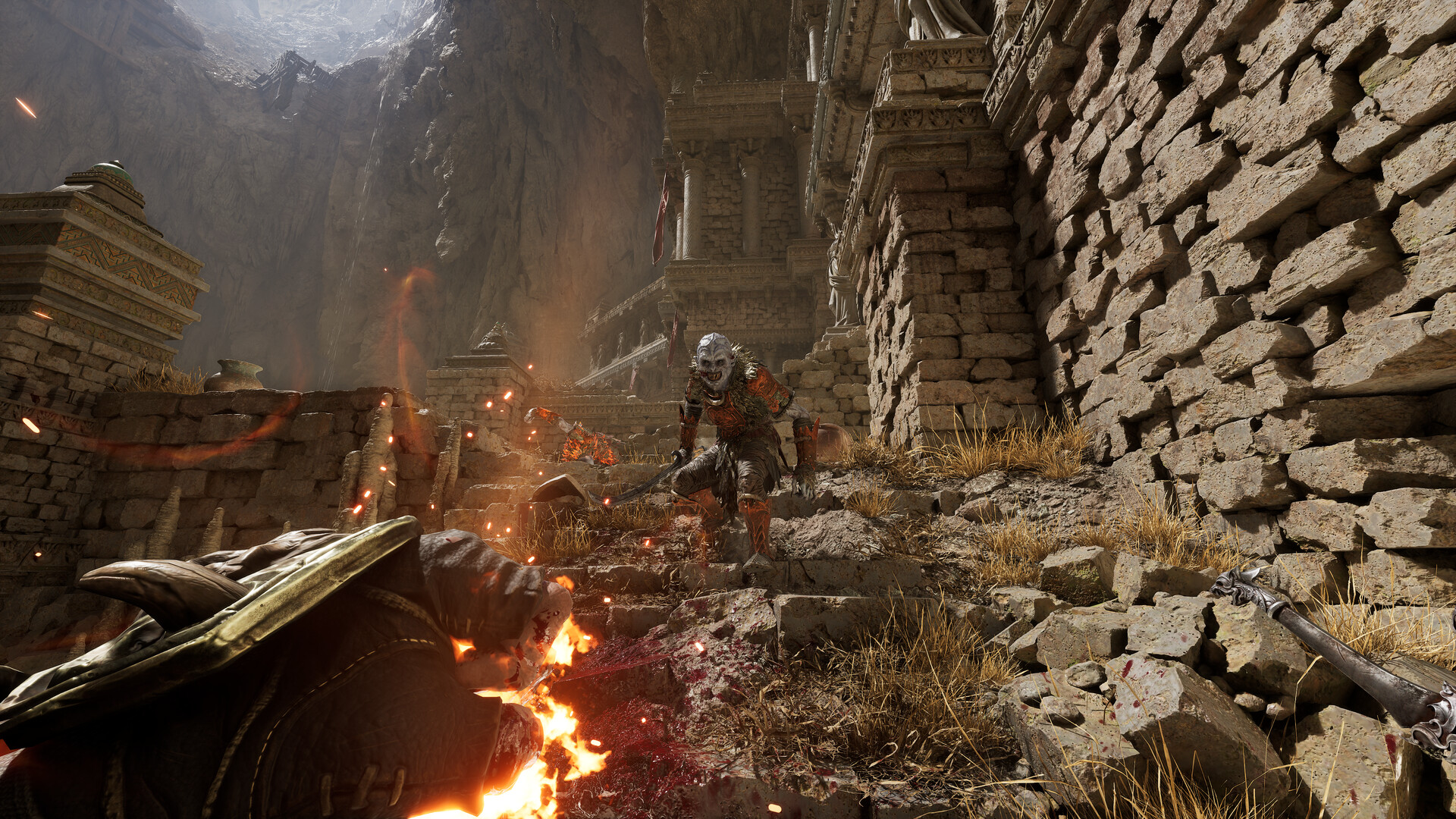
Combat in Action
Combat Mechanics Showcase
See reactive combat and spellcasting in action
Developer Showcase
Behind the scenes look at combat design
Combat Philosophy
Fatekeeper's combat system is built on the principle that skill matters more than stats. According to developer Paraglacial, the combat is designed to be:
- Reactive Combat: Success comes from reading and responding to enemy actions
- Timing Over Button Mashing: Precise timing beats frantic clicking
- Tactical Adaptation: Adjust your strategy based on enemy types and situations
- Build Integration: Your character build influences but doesn't determine combat effectiveness
Design Goals
From the IGN developer interview, Paraglacial emphasized that Fatekeeper's combat aims to be:
- Challenging but Fair: Difficult encounters that don't overly punish mistakes
- Skill-Based: Player execution is more important than character stats
- Flexible: Multiple viable approaches to every combat scenario
- Experimental: Rewards creative thinking and unconventional tactics
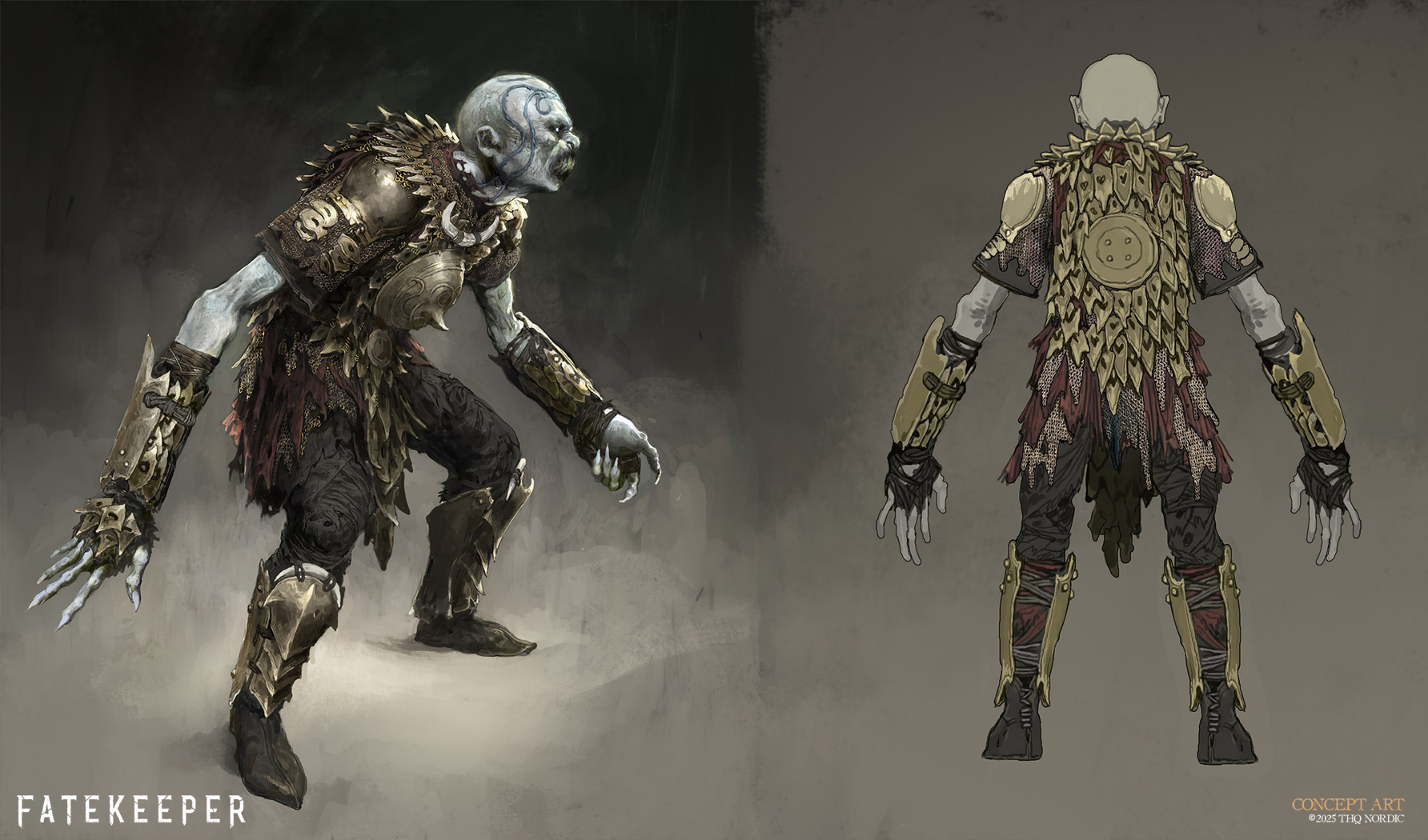
Melee Combat System
Fundamental Mechanics
Attack Types
- Light Attacks: Fast, low-damage strikes for combo building
- Heavy Attacks: Slower, high-damage attacks that can break enemy defenses
- Charge Attacks: Held attacks that deal massive damage but require timing
- Combo Attacks: Chained sequences that unlock special effects
Defensive Options
- Blocking: Reduces incoming damage but may drain stamina
- Dodging: Avoids attacks entirely but requires precise timing
- Parrying: Advanced technique that can create counter-attack opportunities
- Positioning: Using movement and terrain to avoid damage
Enemy Pattern Recognition
Each enemy in Fatekeeper follows predictable patterns:
- Telegraph Phase: Visual/audio cues before attacking
- Attack Window: Brief vulnerability during their attack
- Recovery Phase: Post-attack period for counter-attacks
- Defensive Stance: Some enemies can block or become invulnerable
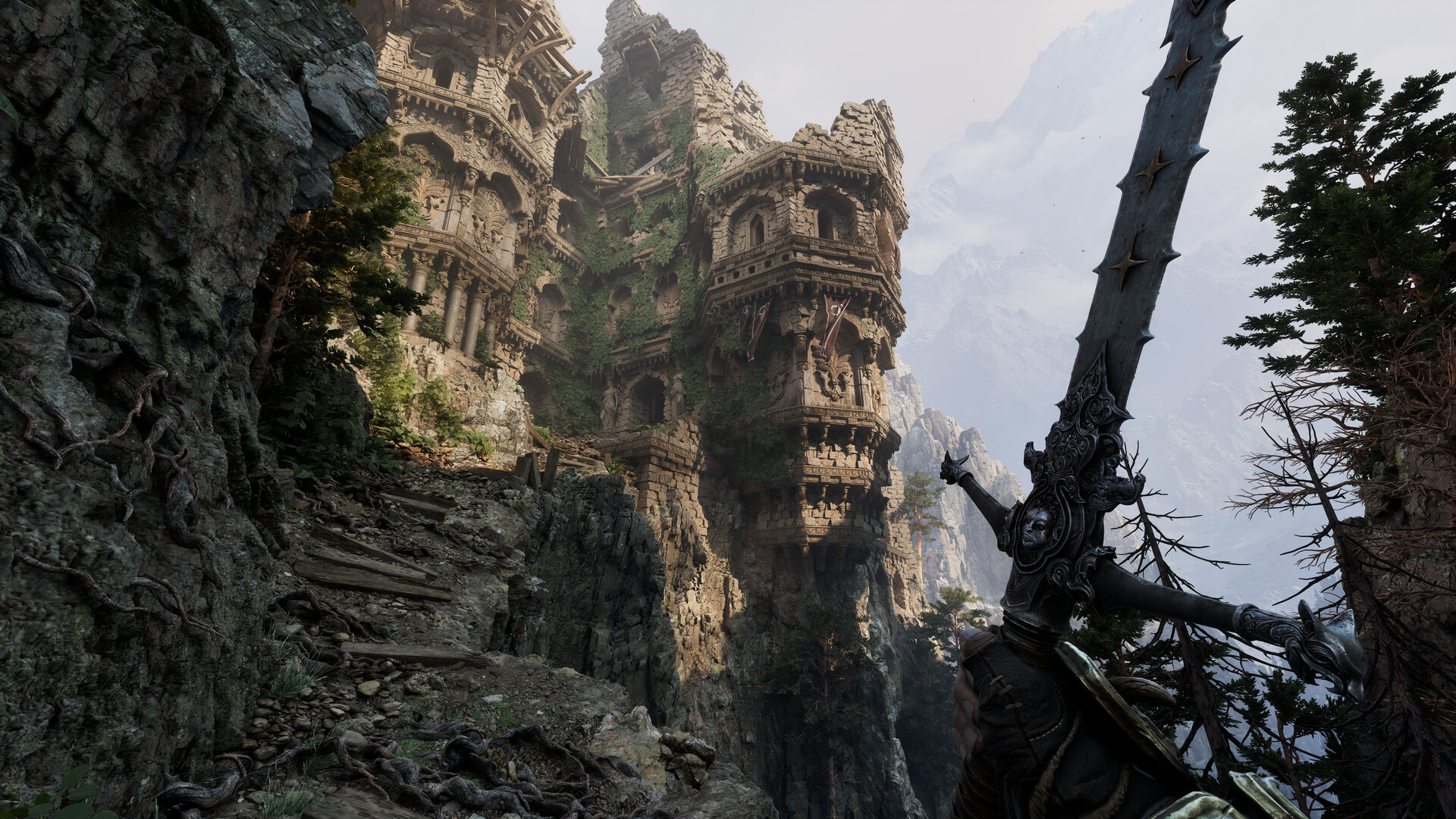
Magic System
Spellcasting Fundamentals
Magic in Fatekeeper requires precision and timing, not just button presses:
- Precision Targeting: Spells require accurate aiming
- Mana Management: Limited magical energy that regenerates over time
- Cast Time: Different spells have varying casting durations
- Spell Schools: Multiple magical disciplines with different focuses
Spell Schools Overview
Fire Magic (Pyromancer Path)
- Direct Damage: High-power offensive spells
- Area Control: Fire walls and burning terrain effects
- Damage Over Time: Burning effects that persist
- Explosive Power: Area-of-effect spells for crowds
Utility Magic (Alchemist Path)
- Buff Spells: Enhance physical abilities temporarily
- Debuff Effects: Weaken enemies or remove advantages
- Environmental: Manipulate terrain and objects
- Support Magic: Healing and status restoration
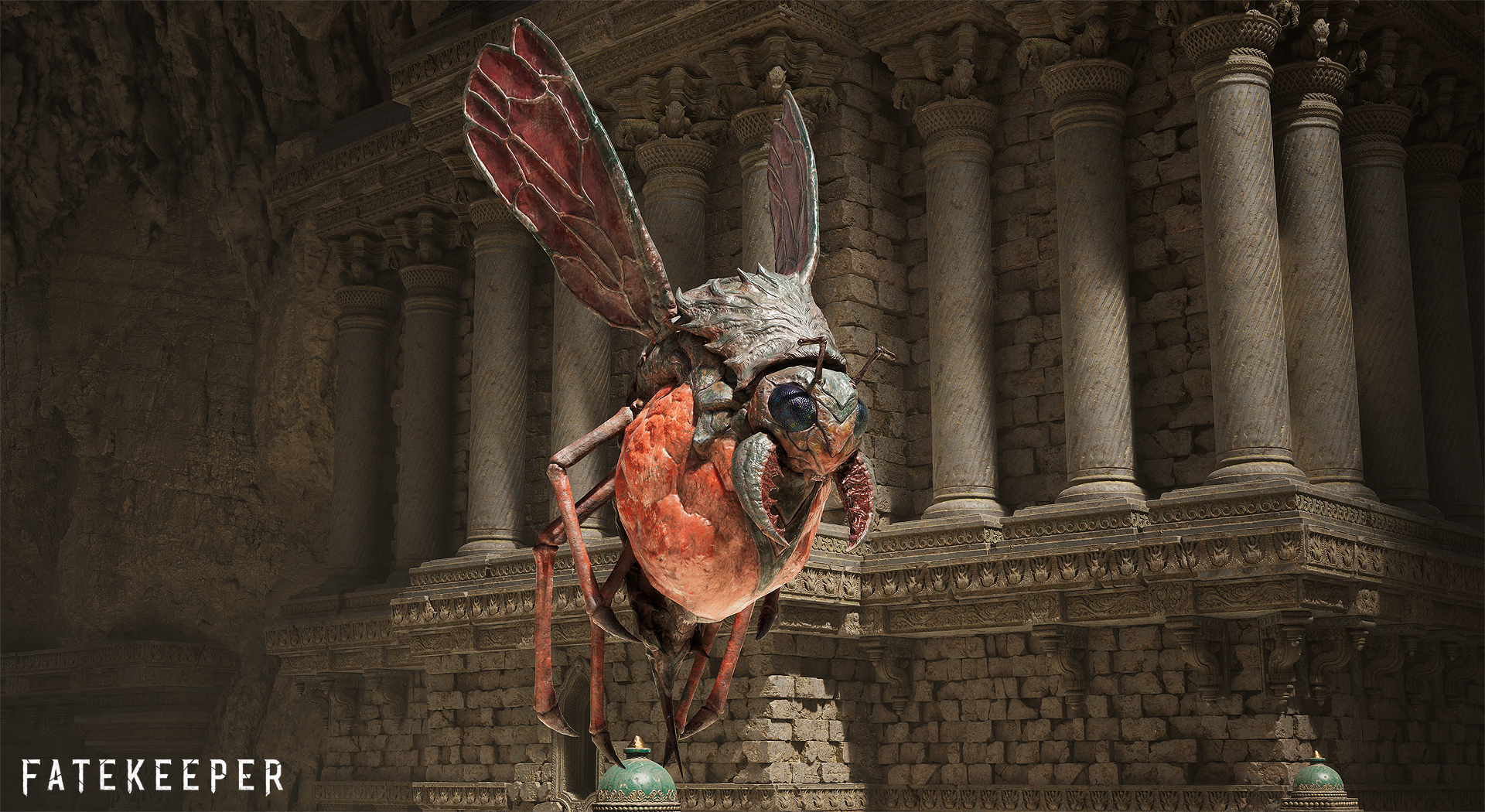
Combat Strategies by Build Type
Warrior (Hammer) Build
Strengths
- High physical damage output
- Excellent defense and durability
- Strong crowd control capabilities
- Intimidating presence in close combat
Optimal Tactics
- Positioning: Control engagement range and terrain
- Timing: Use heavy attacks during enemy recovery phases
- Defense: Tank damage while dealing consistent punishment
- Crowd Control: Use area attacks for multiple enemies
Pyromancer Build
Strengths
- Devastating area-of-effect damage
- Excellent crowd control options
- High burst damage potential
- Area denial through fire effects
Optimal Tactics
- Area Denial: Control battlefield zones with fire
- Burst Damage: Eliminate priority targets quickly
- Range Management: Engage from optimal casting distances
- Combo Extensions: Link spells into melee combinations
Alchemist Build
Strengths
- Versatile tactical options
- Strong support capabilities
- Excellent resource management
- Unique problem-solving approaches
Optimal Tactics
- Preparation: Set up battlefield advantages before engaging
- Adaptability: Switch tactics based on enemy behavior
- Efficiency: Maximize effectiveness while minimizing resources
- Weakness Exploitation: Identify and exploit enemy vulnerabilities
Advanced Combat Techniques
Environmental Combat
Fatekeeper's handcrafted world includes interactive combat elements:
- Terrain Usage: High ground advantages and chokepoints
- Destructible Objects: Break items for weapons or cover removal
- Elemental Interactions: Fire with flammable materials
- Environmental Hazards: Use the world as a weapon
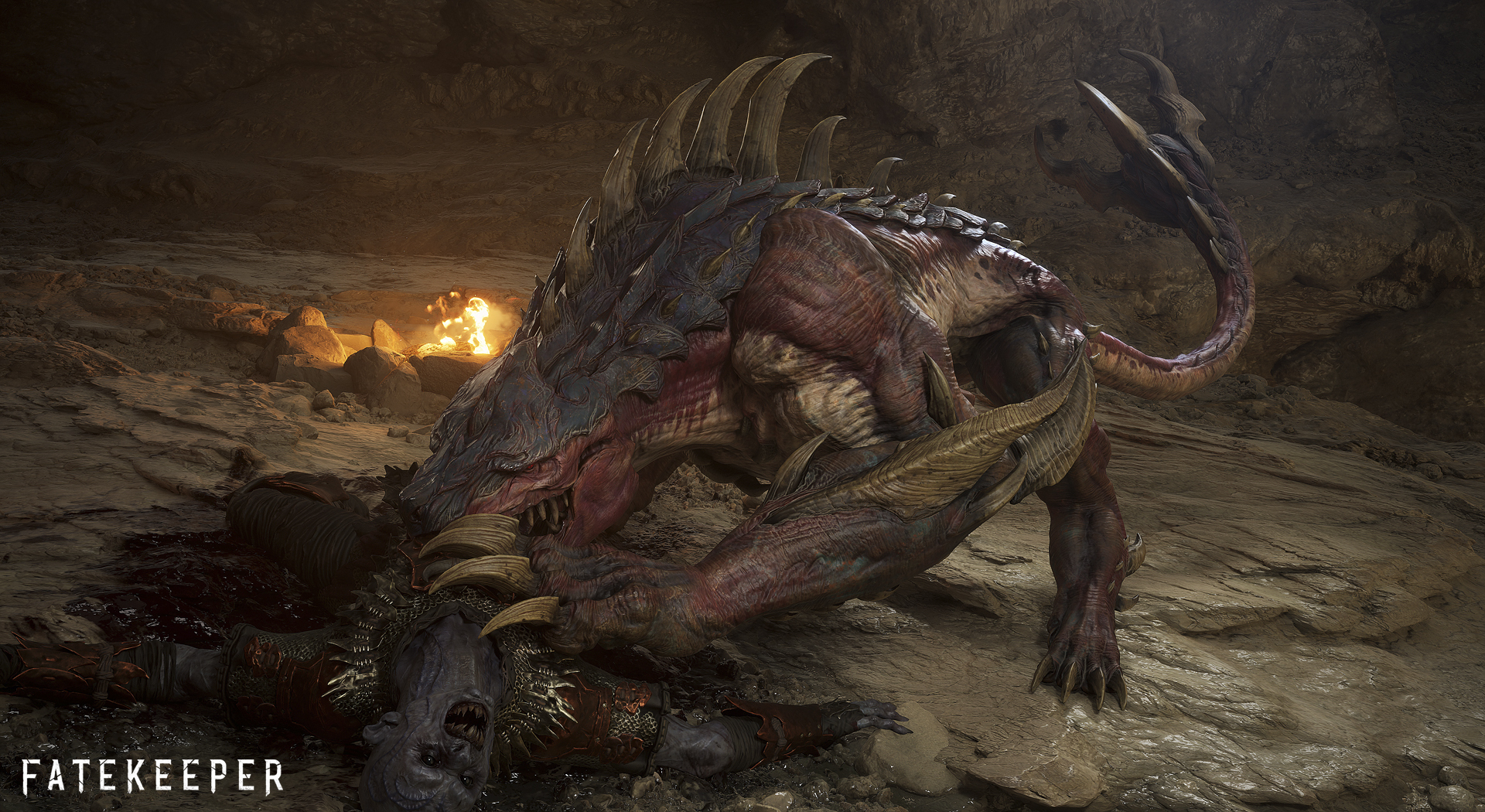
Frequently Asked Questions
Q: Is Fatekeeper's combat similar to Dark Souls?
A: While both games emphasize timing and pattern recognition, Fatekeeper is designed to be challenging but not overly punishing. The focus is on build experimentation rather than pure difficulty.
Q: Can I succeed in combat without using magic?
A: While possible, magic provides significant tactical advantages. Even warrior builds benefit from utility spells and weapon enhancements.
Q: How important is equipment compared to skill?
A: According to the developers, "Your build matters—but so does how you wield it." Equipment is important, but player skill is the determining factor.
Conclusion
Mastering Fatekeeper's combat system requires understanding both its reactive melee mechanics and precision spellcasting systems. Focus on learning enemy patterns, perfecting your timing, and integrating magic seamlessly with your physical combat abilities.
Remember: every encounter is a puzzle to solve, not just a test of reflexes. Use your creativity, adapt your tactics, and don't be afraid to experiment with unconventional approaches.