Fatekeeper Beginner's Guide
Complete starter tutorial for this first-person sword & sorcery RPG. Learn combat, character builds, and essential tips to master Fatekeeper.
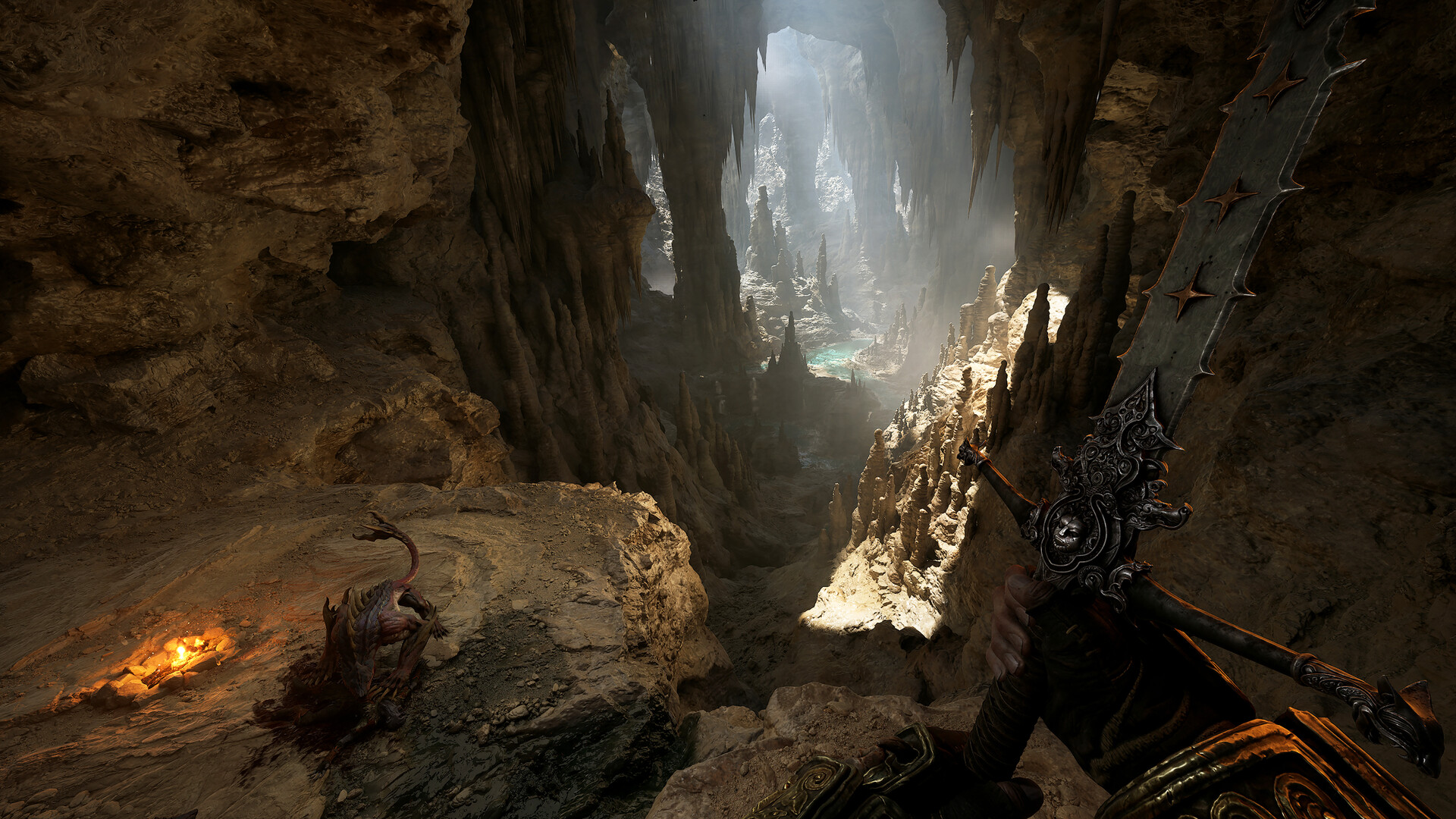
Official Gameplay Overview
Official Gameplay Reveal
First look at sword & sorcery combat mechanics
8 Minutes of Gameplay
Deep dive into character progression and world exploration
What is Fatekeeper?
Fatekeeper is a first-person RPG that puts you in the boots of a Druid successor tasked with restoring balance to the war-torn lands of Solace. Built with Unreal Engine 5 by Paraglacial and published by THQ Nordic, it offers:
- Reactive melee combat with timing and skill requirements
- Precision spellcasting system
- Deep skill trees supporting multiple playstyles
- Handcrafted world with focused narrative and exploration
- Rich equipment system with meaningful customization
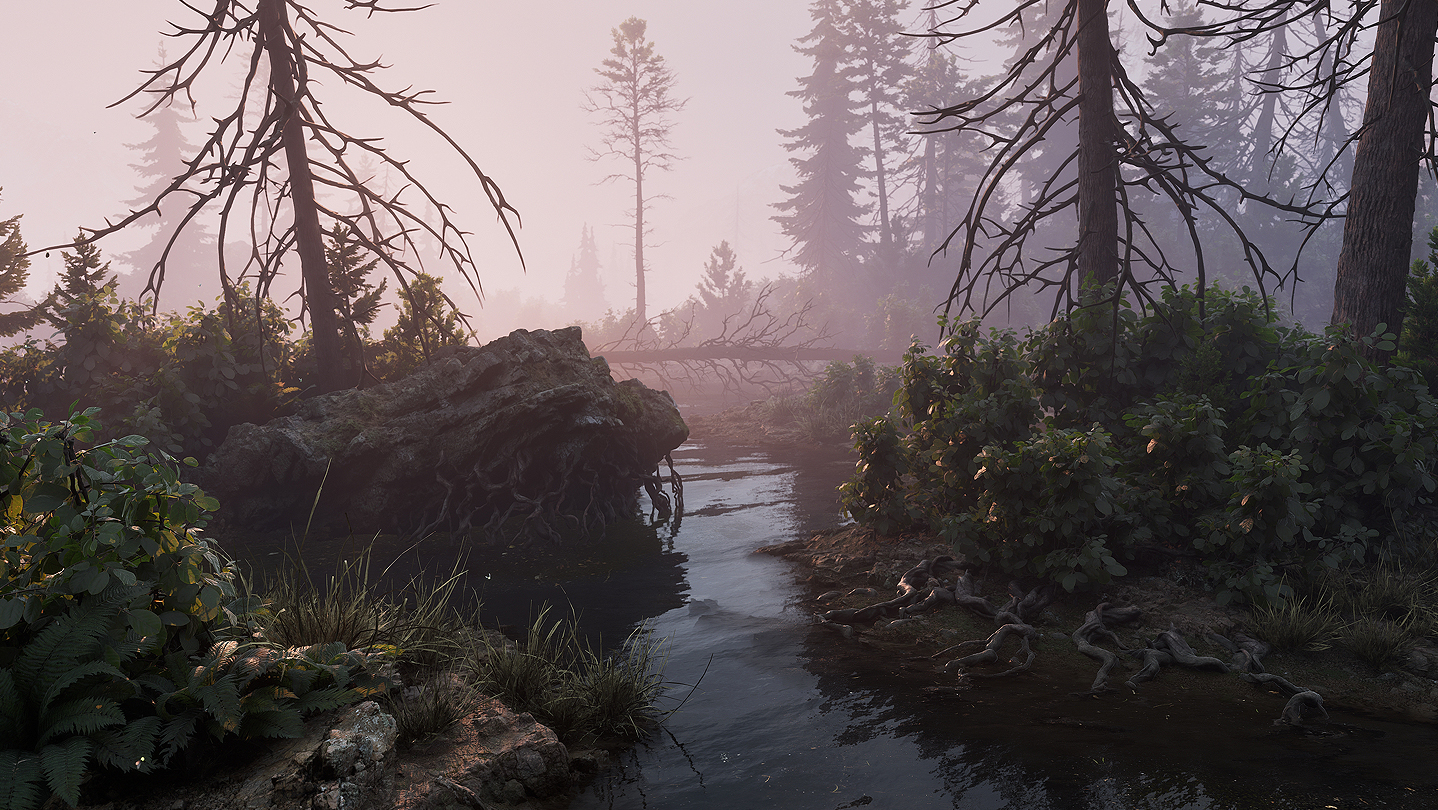
Key Features at a Glance
| Feature | Description |
|---|---|
| Combat Style | Sword & Sorcery (Melee + Magic) |
| Perspective | First-Person |
| Character Builds | Highly flexible skill trees |
| World Design | Handcrafted, exploration-focused |
| Release | 2026 Steam Early Access |
| Platforms | PC first, consoles later |
Getting Started: Your First Steps
1. Understanding Your Role as a Druid
You are the successor to a fallen Druid, part of an ancient order that maintains balance between civilizations. Your mission:
- Oversee the boreal archipelago of Solace
- Navigate war-torn lands between conflicting factions
- Uncover the truth behind the ancient conflict
- Restore order through decisive intervention
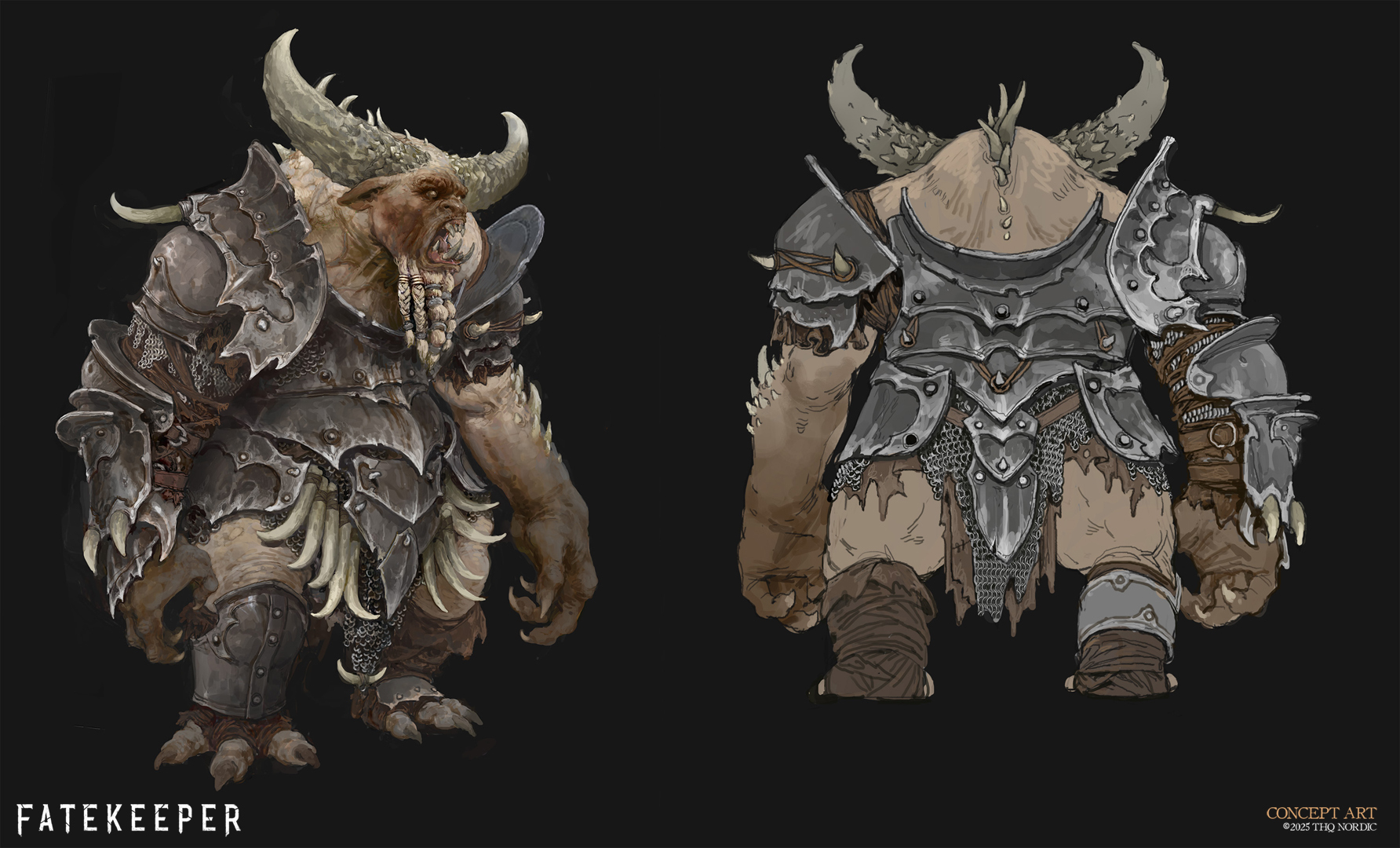
2. Combat Fundamentals
Fatekeeper's combat system emphasizes skill over stats. Here's what you need to know:
Melee Combat Basics
- Timing matters: Combat is reactive, not button-mashing
- Enemy patterns: Learn each enemy's attack patterns and weaknesses
- Preparation is key: Your build matters, but execution matters more
- Adaptability: Adjust tactics on the fly based on the situation
Spellcasting System
- Precision casting: Spells require accuracy and timing
- Spell schools: Multiple magic disciplines to master
- Tactical integration: Combine melee and magic effectively
- Resource management: Mana and cooldowns require strategy
3. Character Progression Overview
Your character can evolve in multiple directions:
Build Archetypes
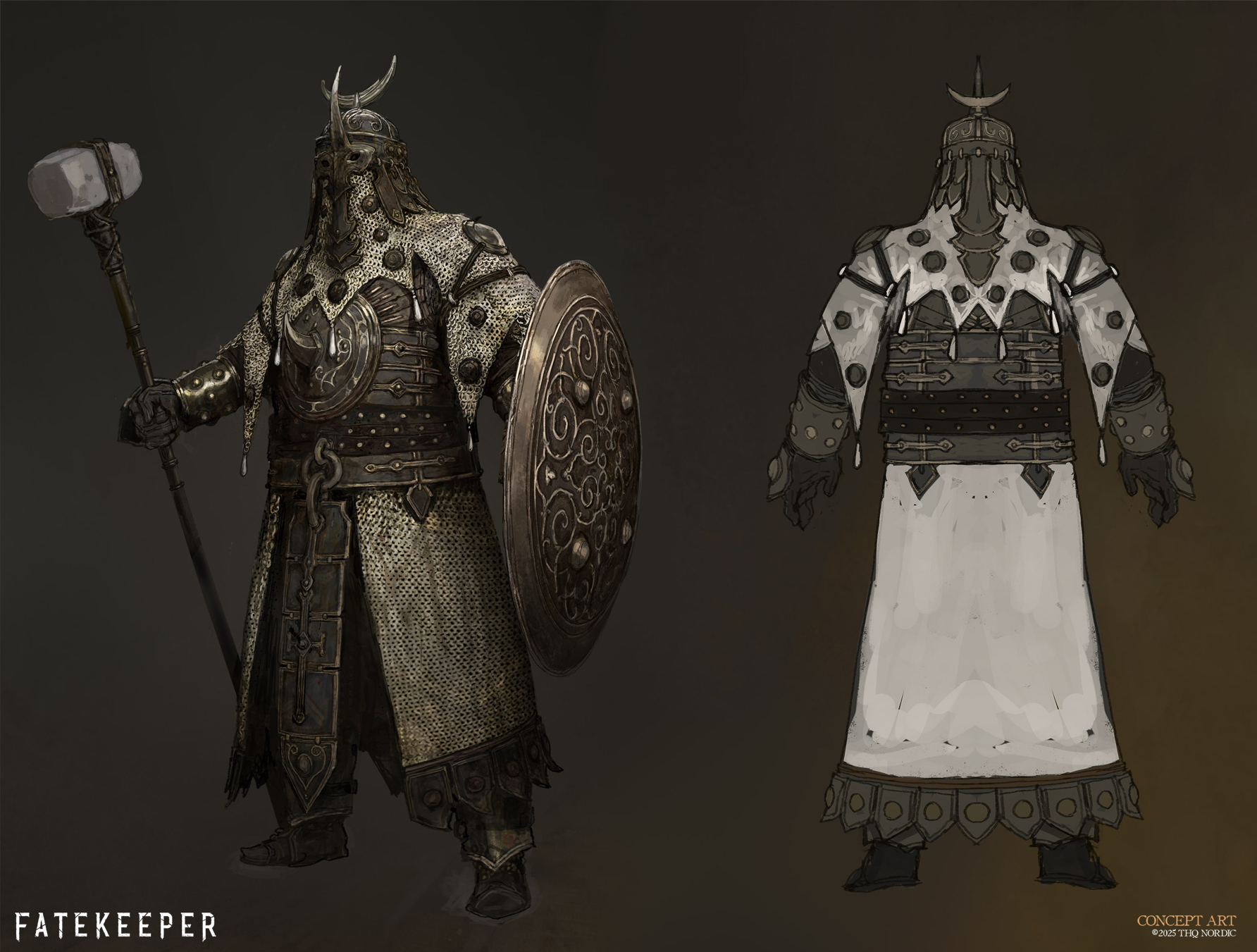
- 💪 Hulking Hammer Warrior: Raw strength and devastating attacks
- 🧪 Cunning Alchemist: Crafting, potions, and tactical support
- 🔥 Raging Pyromancer: Destructive fire magic and area control
- 🎭 Custom Hybrid: Mix disciplines for unique playstyles
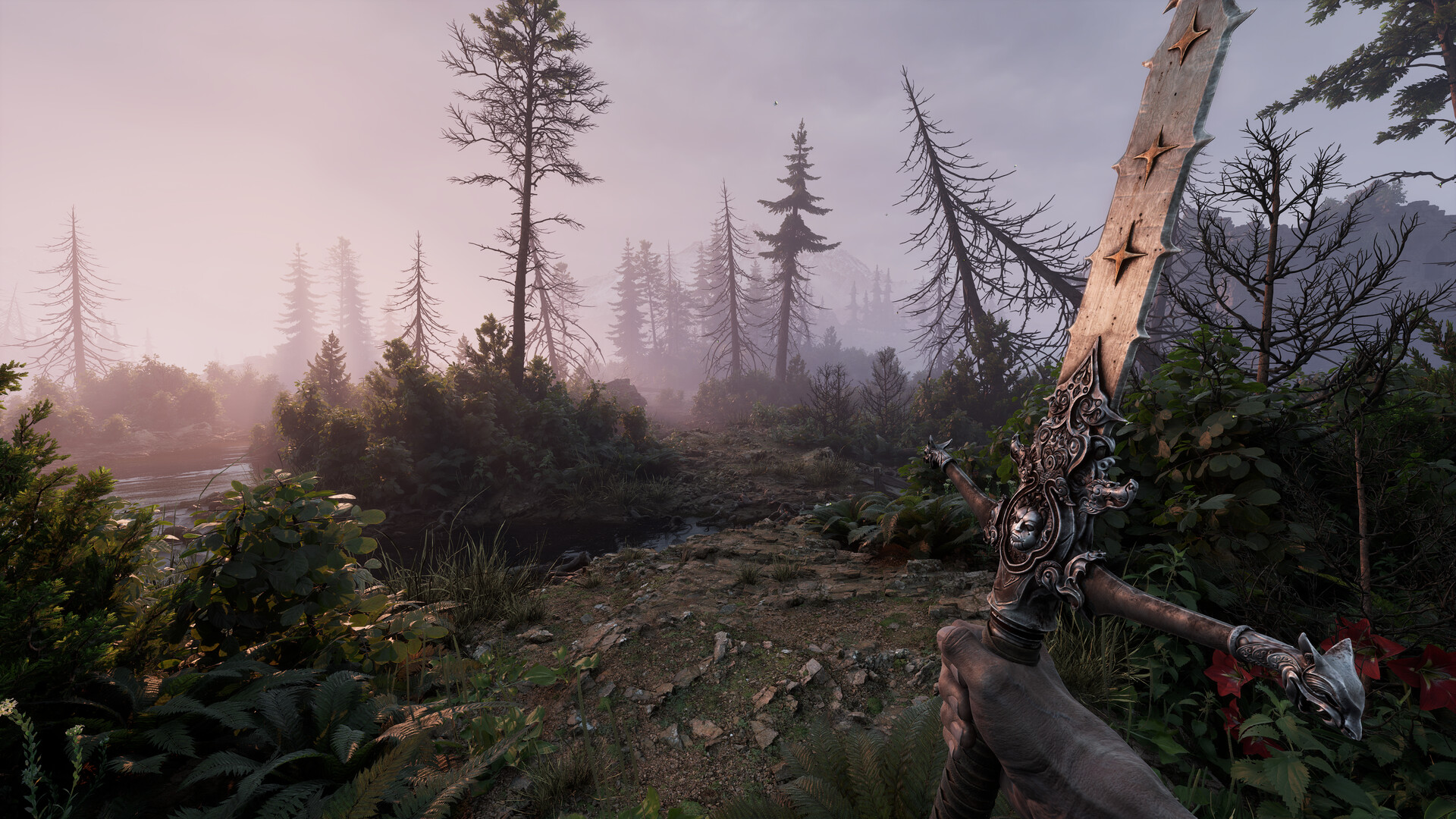
Essential Beginner Tips
Combat Tips for New Players
- Start Defensive: Learn enemy patterns before going aggressive
- Master Basic Attacks: Perfect your fundamental melee combos first
- Don't Ignore Magic: Even warriors benefit from utility spells
- Use Your Environment: The world itself is a tactical tool
- Practice Timing: Reactive combat rewards patience and observation
Exploration Guidelines
- Curiosity Pays Off: Hidden areas contain valuable lore and items
- Environmental Storytelling: The world tells stories through details
- Take Your Time: Fatekeeper rewards thorough exploration
- Document Discoveries: Keep track of interesting locations and items
Understanding the World of Solace
The Ancient Conflict
The world of Fatekeeper is shaped by an ancient war:
- The Rebellion: A faction rebelled against tyrannical overlords
- Underground Exile: They vanished into the planet's deep crust
- Technocratic Society: Built a thriving civilization in isolation
- The Reconnection: Natural tunnels reopened to the surface
- Ideological Clash: Progress vs. faith erupted into open war
- The Return: Ancient kin returned with vengeance
- Druidic Loss: The guardian Druid died in the conflict
Frequently Asked Questions
Q: When will Fatekeeper be released?
A: Fatekeeper is planned for Steam Early Access in 2026, with console versions following the full release.
Q: Is Fatekeeper a Soulslike game?
A: While it shares some elements like timing-based combat and enemy pattern recognition, Fatekeeper is designed to be challenging but not overly punishing. It focuses more on build experimentation and flexibility.
Q: Can I play as different character classes?
A: Fatekeeper uses a flexible skill tree system rather than fixed classes. You can build anything from a hammer-wielding warrior to a cunning alchemist or fire mage.
Q: Will there be multiplayer?
A: Fatekeeper is designed as a single-player experience focused on narrative and exploration.
What's Next?
Now that you understand the basics of Fatekeeper, consider exploring these advanced topics:
- Combat & Magic Guide: Deep dive into battle mechanics
- Character Builds Guide: Optimal build strategies and skill paths
- Equipment Guide: Weapon and armor mastery
- Creatures & Enemies: Enemy patterns and weaknesses
Conclusion
Fatekeeper promises to be a unique entry in the first-person RPG genre, combining the immediacy of first-person combat with deep RPG mechanics and meaningful character progression. As you await its 2026 Early Access release, use this guide to prepare for your journey as a Druid successor in the war-torn lands of Solace.
Remember: in Fatekeeper, your build matters, but how you wield it matters even more. Master the art of sword and sorcery, and forge your own path to become a legendary Fatekeeper.