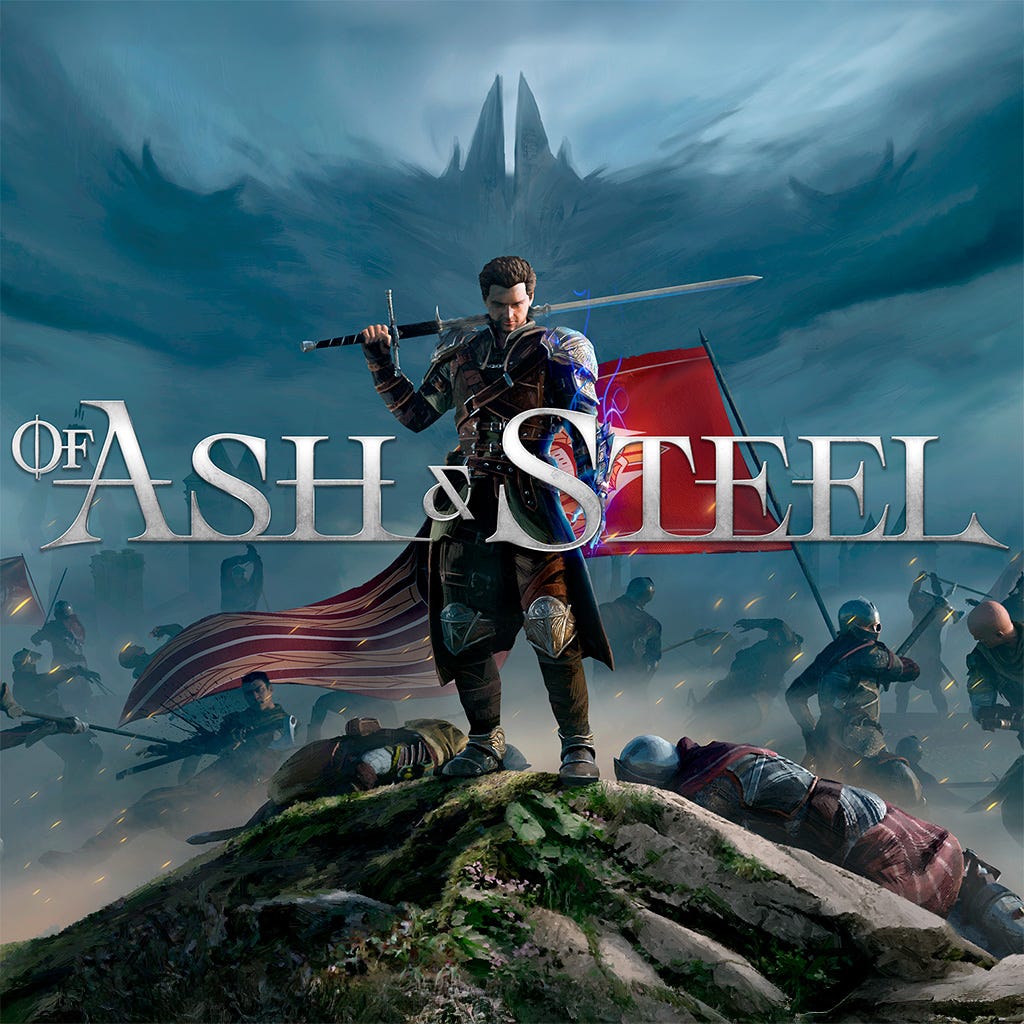
Survival Fundamentals
Surviving on Greyshaft island requires mastering multiple interconnected systems. This guide provides essential strategies for combat, exploration, resource management, and social navigation to help you thrive in this harsh world.
 Mastering survival requires understanding combat, exploration, and resource management
Video Guide
⚠️ Survival Reality
Of Ash and Steel is unforgiving. Death is permanent, resources are scarce, and enemies are dangerous. Every decision matters for your survival.
Combat Survival Strategies
Stamina Management - The Key to Survival
Understanding Stamina:
- Every action consumes stamina: attacking, blocking, running, dodging
- Low stamina = slow attacks, poor defense, vulnerability
- Stamina regenerates slowly, especially during combat
- Heavy equipment increases stamina consumption
Combat Stamina Tips:
- Never exhaust your stamina completely - Always keep 20-30% in reserve
- Time your attacks - Wait for openings rather than button mashing
- Use terrain - Create distance to recover stamina safely
- Manage equipment weight - Heavy gear drains stamina faster
- Learn enemy patterns - Predict when you’ll need to dodge or block
Early Combat Survival
When You’re Weak:
- Avoid fights when possible - Running away is often the best option
- Use companions - Let NPCs do the fighting when traveling together
- Hit and run tactics - Strike once and retreat to safety
- Environmental advantages - Use chokepoints, high ground, obstacles
- Pick your battles - Only fight when you have clear advantages
Essential Combat Rules:
- One enemy at a time - Never engage multiple opponents
- Know your limits - If you can’t win, retreat immediately
- Weapon durability - Don’t waste weapon condition on unnecessary fights
- Healing resources - Save consumables for emergencies
- Learn from defeats - Analyze what went wrong and adapt
Advanced Combat Techniques
Weapon-Specific Strategies:
Melee Combat:
- Timing over speed - Precise strikes beat rapid attacks
- Blocking and parrying - Learn enemy attack patterns
- Stamina conservation - Don’t spam attacks
- Positioning - Stay mobile, avoid being surrounded
Ranged Combat:
- Ammunition management - Every shot counts
- Distance maintenance - Keep enemies at optimal range
- Backup weapons - Always have melee options ready
- Target prioritization - Focus on most dangerous enemies first
Exploration and Navigation
Navigation Without Maps
Landmark Navigation:
- Use prominent features - Mountains, rivers, large buildings
- Create mental maps - Note relationships between locations
- Follow roads and paths - They usually lead somewhere important
- Ask NPCs for directions - Get multiple sources for confirmation
- Mark dangerous areas - Remember where threats are located
Exploration Safety:
- Travel during daylight - Better visibility, fewer dangers
- Stick to known routes - Avoid unmarked wilderness when weak
- Carry supplies - Food, healing items, repair materials
- Save frequently - Before entering unknown areas
- Plan escape routes - Always know how to get back to safety
Resource Discovery
Finding Essential Items:
- Search thoroughly - Check every container, corner, and hidden area
- Talk to everyone - NPCs often reveal resource locations
- Complete quests - Rewards often include rare materials
- Trade strategically - Some items are only available through commerce
- Explore off the beaten path - Valuable items are often hidden
Resource Priorities:
- Healing items - Health potions, food, medical supplies
- Repair materials - Keep equipment functional
- Currency - Gold for training and equipment
- Crafting materials - For creating and upgrading gear
- Information - Maps, quest clues, trainer locations
Resource Management
Money Management
Income Sources:
- Quest rewards - Primary source of reliable income
- Trading - Buy low, sell high with merchants
- Looting - Valuable items from defeated enemies
- Services - Some NPCs pay for specific tasks
- Found treasures - Hidden caches and secret areas
Spending Priorities:
- Essential training - Skills that improve survival
- Weapon and armor - Meeting stat requirements
- Healing supplies - Emergency medical items
- Repair services - Maintaining equipment condition
- Information - Paying for maps, directions, tips
Money-Saving Tips:
- Negotiate prices - Some merchants accept lower offers
- Bulk purchases - Better rates for multiple items
- Faction discounts - Members often get better prices
- Timing purchases - Some merchants have sales or special offers
- Alternative payments - Services or items instead of gold
Equipment Maintenance
Durability Management:
- Regular repairs - Don’t let equipment break completely
- Backup gear - Always have spare weapons and armor
- Repair skills - Learn to maintain your own equipment
- Quality over quantity - Better gear lasts longer
- Situational equipment - Use appropriate gear for each situation
Equipment Strategies:
- Carry repair kits - Fix equipment in the field
- Know repair costs - Budget for maintenance expenses
- Equipment rotation - Use different gear to spread wear
- Upgrade timing - Replace gear before it becomes unreliable
- Specialized gear - Different equipment for different situations
Social Survival
NPC Relationships
Building Reputation:
- Complete promises - Always follow through on commitments
- Help when possible - Small favors build long-term relationships
- Respect faction loyalties - Don’t antagonize allied groups
- Share information - Valuable intel can earn goodwill
- Defend allies - Stand up for friends when they’re threatened
Avoiding Conflicts:
- Stay neutral - Don’t take sides in disputes unnecessarily
- Pay debts promptly - Financial obligations affect reputation
- Respect local customs - Learn and follow regional practices
- Avoid provocations - Don’t start fights you can’t finish
- Diplomatic solutions - Talk your way out of problems when possible
Faction Navigation
Faction Benefits:
- Training access - Exclusive skills and abilities
- Equipment discounts - Better prices on gear and supplies
- Protection - Faction members may help in dangerous situations
- Information networks - Access to rumors and intelligence
- Safe havens - Faction bases provide secure rest areas
Faction Risks:
- Enemy factions - Making enemies of opposing groups
- Obligation requirements - Factions expect loyalty and service
- Limited flexibility - Some actions may be restricted
- Internal politics - Faction conflicts can affect you
- Reputation consequences - Faction actions reflect on you
Environmental Hazards
Weather and Terrain
Environmental Challenges:
- Harsh weather - Storms, extreme temperatures, poor visibility
- Difficult terrain - Mountains, swamps, dense forests
- Natural obstacles - Rivers, cliffs, unstable ground
- Dangerous wildlife - Aggressive animals and monsters
- Disease and poison - Environmental health hazards
Environmental Preparation:
- Appropriate clothing - Weather-resistant gear
- Navigation tools - Compass, maps, landmark knowledge
- Survival supplies - Food, water, shelter materials
- Medical preparations - Antidotes, disease treatments
- Emergency equipment - Rope, tools, signaling devices
Dangerous Areas
Identifying Threats:
- Visual cues - Bones, destroyed structures, warning signs
- NPC warnings - Local knowledge about dangerous areas
- Enemy presence - Scouts, patrols, territorial markers
- Environmental signs - Unnatural phenomena, strange sounds
- Reputation - Areas known for danger or mystery
Threat Mitigation:
- Reconnaissance - Scout areas before full exploration
- Preparation - Bring appropriate gear and supplies
- Backup plans - Multiple escape routes and contingencies
- Team approach - Bring allies when facing major threats
- Timing - Choose optimal conditions for dangerous expeditions
Advanced Survival Techniques
Information Gathering
Intelligence Sources:
- Tavern gossip - Rumors and local news
- Merchant reports - Trade route information and dangers
- Faction briefings - Official intelligence and missions
- Explorer accounts - First-hand reports from adventurers
- Official notices - Government announcements and warnings
Information Evaluation:
- Source reliability - Consider the credibility of informants
- Corroboration - Verify information through multiple sources
- Timeliness - Ensure information is current and relevant
- Bias detection - Account for personal or factional prejudices
- Practical application - Focus on actionable intelligence
Crisis Management
Emergency Situations:
- Combat overwhelm - When facing superior forces
- Resource depletion - Running out of essential supplies
- Equipment failure - Critical gear breaking at bad times
- Getting lost - Navigation failures in dangerous areas
- Faction conflicts - Being caught between warring groups
Crisis Response:
- Stay calm - Panic leads to poor decisions
- Assess options - Quickly evaluate available choices
- Prioritize survival - Focus on immediate threats first
- Use resources wisely - Don’t waste limited supplies
- Learn from experience - Analyze what led to the crisis
Survival Mindset
Mental Preparation
Psychological Survival:
- Accept difficulty - The game is meant to be challenging
- Patience - Progress is slow and methodical
- Adaptability - Be ready to change plans when necessary
- Persistence - Don’t give up after setbacks
- Learning attitude - Every failure teaches valuable lessons
Decision Making:
- Risk assessment - Weigh potential benefits against dangers
- Resource consideration - Account for costs and availability
- Long-term thinking - Consider future consequences
- Alternative planning - Always have backup options
- Decisive action - Don’t hesitate when decisions are made
Success Indicators
Signs You’re Improving:
- Longer survival periods - Going longer between deaths
- Better resource management - More efficient use of supplies
- Successful combat - Winning fights you previously lost
- Exploration confidence - Venturing into new areas safely
- Social success - Building positive relationships with NPCs
Mastery Markers:
- Predictive ability - Anticipating threats and opportunities
- Resource abundance - Having surplus supplies and equipment
- Reputation benefits - NPCs actively helping and supporting you
- Combat dominance - Easily handling previously difficult enemies
- Strategic thinking - Planning multiple steps ahead successfully
Conclusion
Survival in Of Ash and Steel requires mastering multiple interconnected systems: combat, exploration, resource management, and social navigation. Success comes from patience, careful planning, and learning from every experience.
Remember that survival is not just about staying alive - it’s about thriving in a hostile world and building the foundation for greater achievements. Every small victory builds toward larger successes, and every lesson learned makes you stronger.
The key to long-term survival is understanding that Of Ash and Steel rewards careful, methodical play over aggressive, reckless action. Take your time, plan carefully, and always prioritize survival over glory.
Ready to apply these survival skills? Start with our Beginner’s Guide or develop your character further with our Character Development Guide.
Related Guides
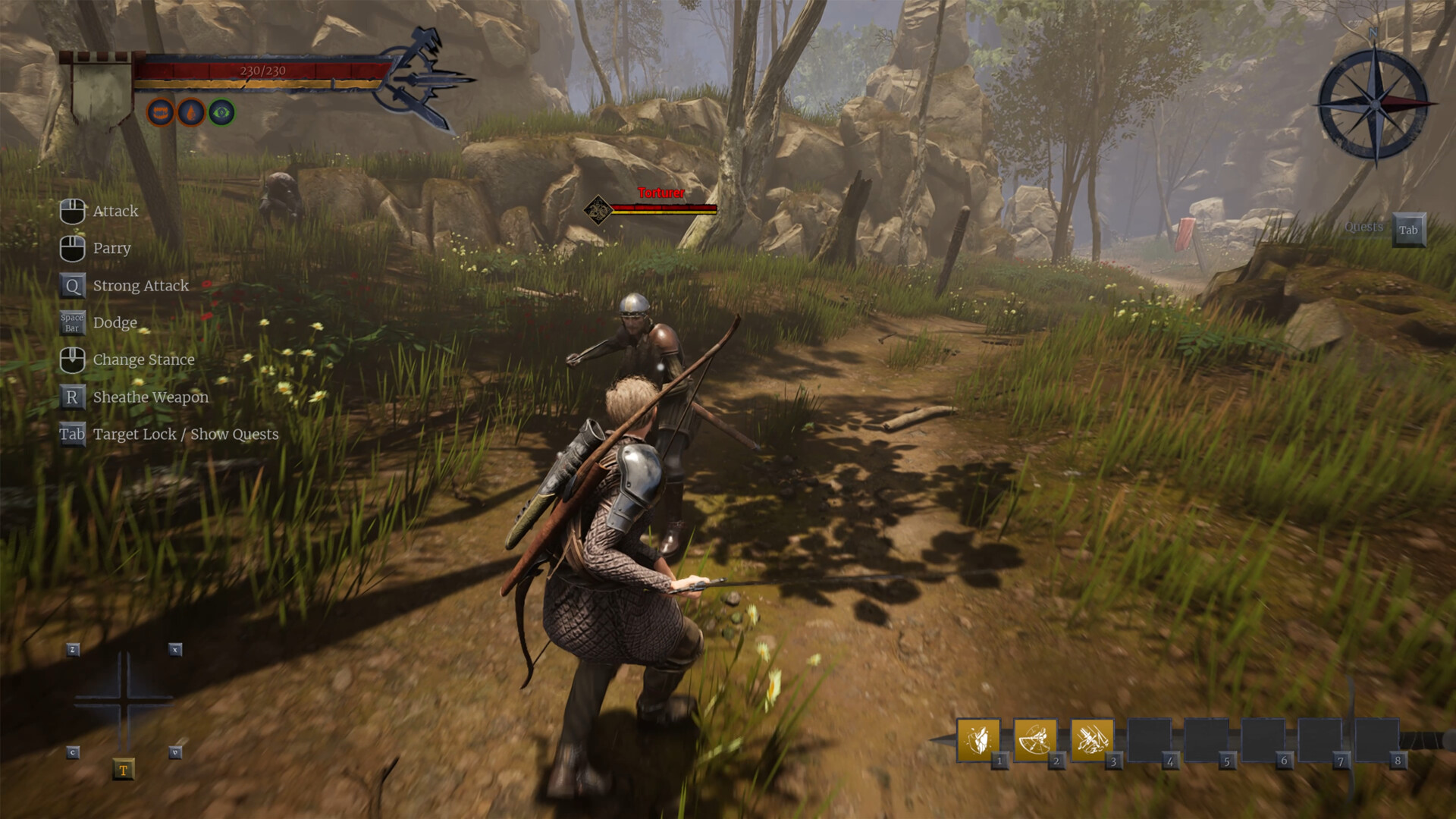
Of Ash and Steel Beginner's Guide 2025 - Complete Getting Started Tutorial
Master Of Ash and Steel from day one with our comprehensive beginner's guide. Learn essential survival tips, combat mechanics, character development, and how to thrive on Greyshaft island in this challenging low fantasy RPG.
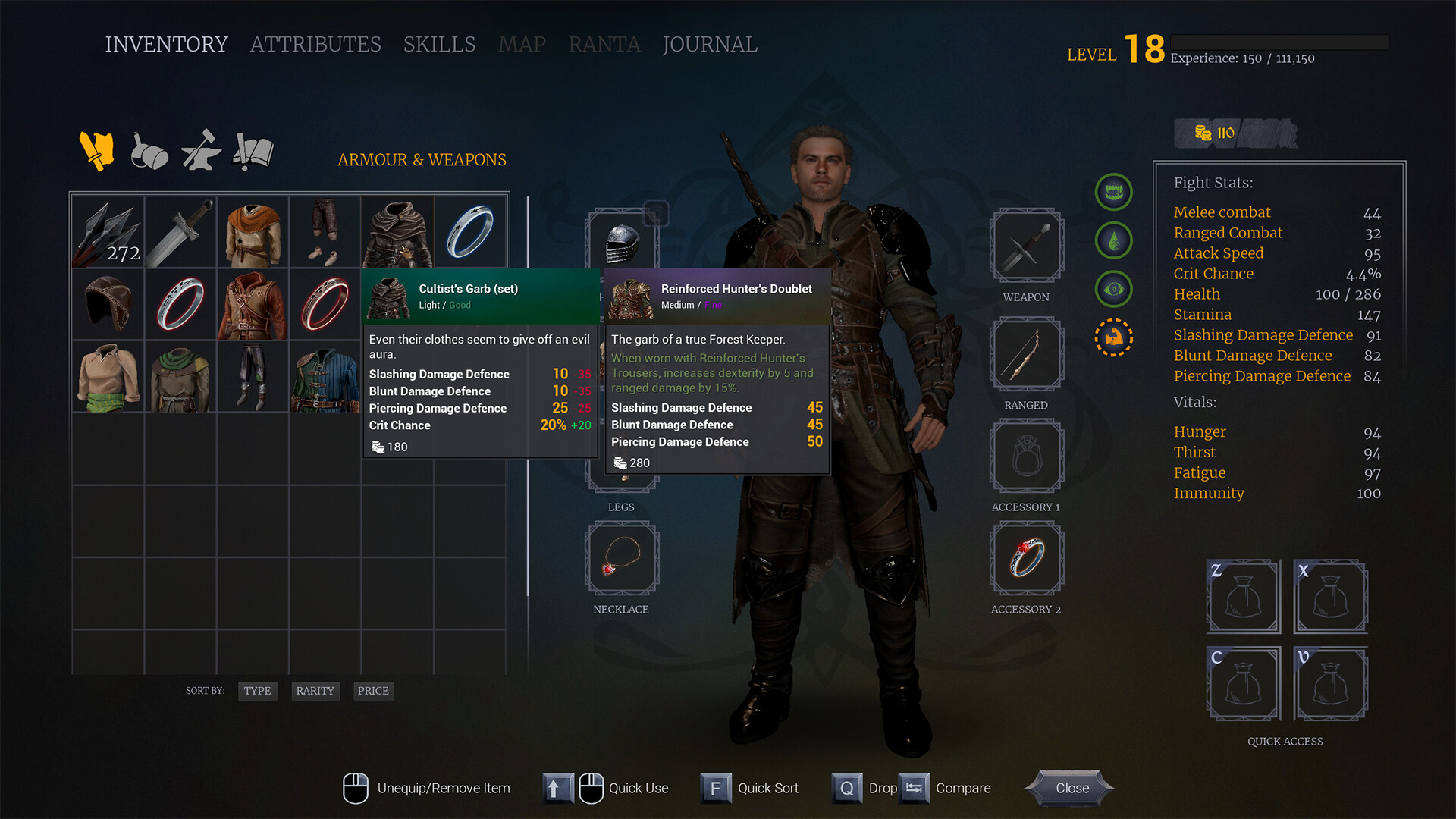
Of Ash and Steel Character Development Guide - Skills, Stats & Progression 2025
Master character progression in Of Ash and Steel with our complete guide to skills, stats, trainers, and equipment. Learn optimal build strategies, trainer locations, and progression paths for Tristan on Greyshaft island.

Of Ash and Steel Hardships of Seafaring Walkthrough - Starting Quests Guide
Complete walkthrough for The Hardships of Seafaring quest series in Of Ash and Steel. Master all starting area quests: Provisions in Danger, Break Time, Fish Steak, and What Use is a Cartographer on the Shores region.
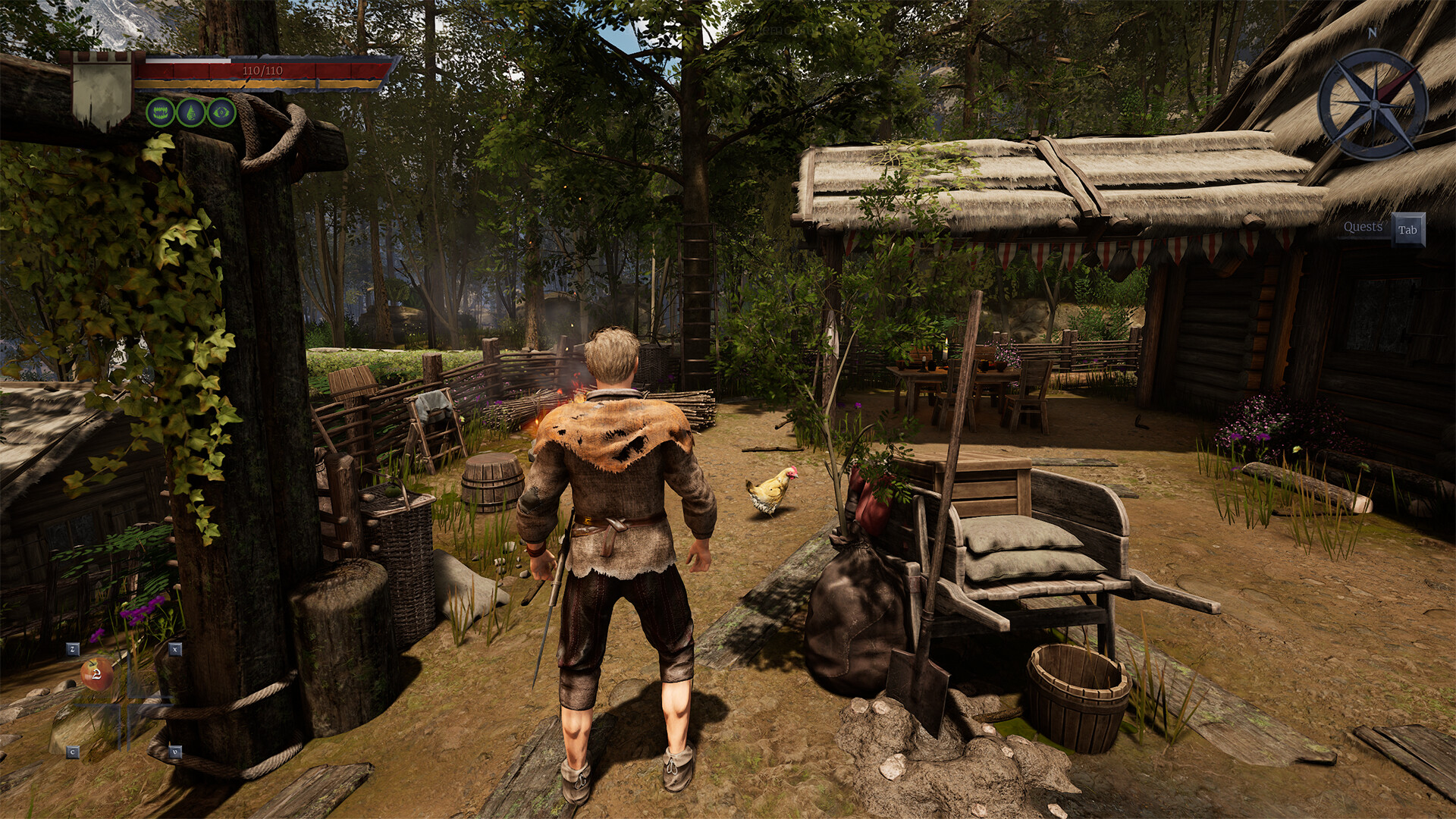
Of Ash and Steel Complete Walkthrough 2025 - All Acts, Quests & Missions
Complete step-by-step walkthrough for Of Ash and Steel covering all main story quests, side missions, and optional content across Acts 1-3. Expert strategies for every quest on Greyshaft island.